
Gibraltar has a dynamic and attractive residential and commercial property market that draws both local and international investors. Key factors influencing the market include Gibraltar’s favourable tax regime, limited land availability, stable economy, and strong demand from both professionals and retirees.
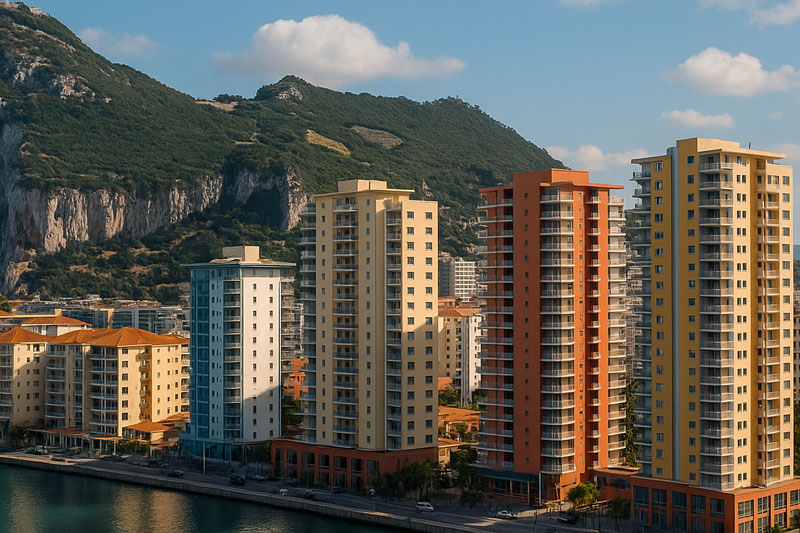
The market offers diverse opportunities, from modern apartments to luxury marina residences and family homes. So, which are the prime locations for property in Gibraltar?
Popular areas include:
- Ocean Village, known for its high-end apartments, vibrant atmosphere, and waterfront views;
- The quieter Queensway Quay, home to elegant apartments and townhouses;
- The Upper Town area, offering central amenities, historic charm, and more affordable properties;
- Families often opt for the houses and villas in the more residential South District, close to schools and green spaces;
- Westside is a densely populated area near the town centre and the border with Spain, featuring high-rise apartment buildings, commercial spaces, and administrative offices;
- Eastside is a rapidly developing area that offers scenic views and access to Eastern Beach. The Both Worlds complex, popular with second-home buyers, is located here. Furthermore, the new Eastside urban development project (scheduled for completion in 2026) will transform reclaimed land into a vibrant complex with a marina, hotel, approximately 1,300 residential homes, and a business park.
Property Prices
Prices in Gibraltar are significantly higher than across the border in Spain, which is why many employees choose to live in Spain while working in Gibraltar. However, Gibraltar’s tax regime includes no capital gains tax, inheritance tax, VAT, or council tax. While stamp duty applies, the rates remain attractive compared to those in the UK and Spain. Additionally, high-net-worth individuals may benefit from Category 2 (Cat2) or HEPSS tax status, offering further fiscal advantages for those relocating to Gibraltar.
Renting a one-bedroom apartment in the city centre typically costs between £1,100 and £1,500 per month. In the South District, a two-bedroom apartment costs on average £1,600 per month.
If you’re looking to buy, prices at the lower end of the market currently range from £3,000 to £4,500 per square metre, and from £8,000 to £10,000 per square metre for high-end properties. Over the past year, the average house price in Gibraltar was £494,909 (as of 2025).
Buying Process in Gibraltar
Purchasing property in Gibraltar is a straightforward process, especially for UK and EU nationals. Buyers typically engage a local estate agent and solicitor to assist with due diligence and contract preparation. Once terms are agreed upon, a preliminary agreement is signed, followed by payment of a deposit (usually 10%). The legal process can take 2 to 3 months, culminating in the final deed and property registration.
It’s important to ensure that lease terms, maintenance costs, and any community fees are clearly understood before purchase. Mortgage financing is available through local banks, though conditions may vary for non-residents.
Challenges & Land Availability
The main challenge for Gibraltar’s real estate market is the limited availability of land, due to the territory’s small size. This scarcity drives up property prices and creates intense competition for the most desirable locations. The percentage of undeveloped land is minimal, excluding the rocky cliffs and steep upper slopes of the Rock. Interestingly, an estimated 70% of Gibraltar’s population—about 34,000 residents—live on reclaimed land, primarily on the west side of the territory.
In recent years, considerable investment by the Gibraltar Government—especially in large-scale land reclamation and affordable housing projects—has helped alleviate the housing shortage. At the same time, the past decade has seen the completion of numerous private luxury developments, helping to meet the high demand for upscale residential properties.
Legal Framework
Gibraltar operates under British common law, providing a transparent and well-regulated real estate market. Most residential properties in Gibraltar are leasehold apartments, held under government leases—typically for 99 or 149 years. Freehold properties, where you own both the building and the land it occupies for an unlimited period, are rare.
Living in Gibraltar: What to Expect
Gibraltar offers a high quality of life in a Mediterranean setting, with over 300 days of sunshine per year, English as the official language, and access to both British-style services and Mediterranean culture. Residents enjoy excellent healthcare, a low crime rate, and a tight-knit, international community. Schools follow the UK curriculum, and there are several international education options available.
Thanks to its compact size, everything is within walking distance — from beaches and marinas to shops, schools, and restaurants. This unique blend of lifestyle and location makes Gibraltar an attractive place to live, not just invest.
Final Tips
To make well-informed decisions, it’s essential to consult local property experts and stay updated on market trends and legal requirements. Understanding local regulations, tax implications, and the broader economic context is key before investing in Gibraltar’s property market.
Last Updated on May 21, 2025 by Vanessa Kingwell